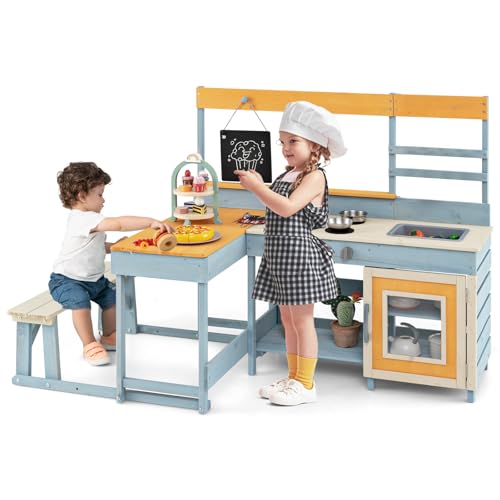
Emotional Benefits of Playtime in a Mudkitchen
In 2026, the concept of outdoor play has evolved significantly, especially with the growing popularity of mudkitchens. These engaging spaces not only provide children with the opportunity to explore their creativity but also offer numerous emotional benefits that contribute to their overall well being. As parents and educators, understanding these advantages can help foster an environment where children thrive emotionally and socially.
Enhancing Creativity Through Play
One of the most notable emotional benefits of playtime in a mudkitchen is the enhancement of creativity. In 2026, children are increasingly encouraged to engage in unstructured play, which allows them to use their imaginations freely. A mudkitchen provides a unique setting where children can mix mud, water, and natural elements, enabling them to create their own recipes and concoctions. This type of imaginative play not only stimulates creativity but also encourages problem solving as children experiment with different materials.
Real World Examples of Creative Play
For instance, consider a group of children gathered around a mudkitchen. One child might decide to create a "magic potion" using mud and leaves, while another might build a small cake using twigs and stones. As they engage in this collaborative play, they share ideas and create stories around their creations, allowing their imaginations to flourish. This social interaction enhances their emotional intelligence as they learn to express themselves and understand the perspectives of their peers.
Building Emotional Resilience
Playtime in a mudkitchen also plays a crucial role in building emotional resilience. In 2026, experts emphasize the importance of allowing children to face challenges in a safe environment. Mud kitchens provide opportunities for children to encounter and overcome obstacles, such as dealing with the messiness of mud or negotiating sharing space and resources with others. These experiences teach children how to cope with frustration and setbacks, which are essential skills for emotional resilience.
Scenarios of Overcoming Challenges
Imagine a child who has created a mud pie only to see it collapse. Instead of feeling defeated, they might decide to rebuild it, learning through trial and error. This process not only fosters a growth mindset but also reinforces the idea that mistakes are a natural part of learning. In 2026, educators advocate for such play as a means of nurturing resilience, enabling children to approach challenges in their lives with confidence.
People Also Look For:
- Owl & Fox Wooden Kitchen Set, Pretend Play for Girls and Boys with Sink, Hob, Taps, Microwave, Washing Machine, Utencils, FSC Sust...
- Moritz & Moritz 75 pcs. Disposable Plates and Cutlery Set – 20x20 cm - 25 compostable Plates - 25 Disposable Wooden Cutlery...
- COSTWAY Kids Toy Kitchen, Pretend Play Kitchen with Coffee Maker, Microwave, Oven, Washing Machine, Accessories, Children Cooking ...
- Kitchen Academy Red Enameled Cast Iron Cookware Sets - 7 Pieces Induction Hob Pans & Dutch Oven Sets, Healthy Pots and Pans Set No...
- Kitchen Accessories Set of 5, Kitchen Utensils Mini Vegetable Peeler Space-Saving Camping Accessories, Cheese Chocolate Grater, Bo...
Strengthening Social Connections
Another significant emotional benefit of playtime in a mudkitchen is the strengthening of social connections. In 2026, social skills are increasingly recognized as vital for emotional health. When children play together in a mudkitchen, they engage in cooperative play, which fosters teamwork and communication. These interactions are essential for developing friendships and understanding social dynamics.
Collaborative Play and Teamwork
Consider a scenario where a group of children decides to set up a "restaurant" in their mudkitchen. Each child takes on a role, whether it be a chef, waiter, or customer, leading to rich interactions that require negotiation and collaboration. As they work together, they not only improve their social skills but also learn the importance of empathy and support. This kind of collaborative play is invaluable in helping children navigate their emotions and build lasting relationships.
Encouraging Mindfulness and Presence
Mudkitchens also encourage mindfulness, an essential aspect of emotional well being. In 2026, there is a growing recognition of the importance of mindfulness practices for children. As they play in a mudkitchen, children engage their senses—feeling the texture of the mud, smelling the fresh air, and listening to the sounds of nature. This sensory immersion fosters a sense of presence and calmness.
Mindfulness Activities in Mudkitchens
For instance, while mixing mud, a child can focus on the feeling of the cool, wet earth between their fingers. This simple act allows them to be present in the moment, reducing anxiety and encouraging relaxation. Such mindfulness practices are vital as children navigate the complexities of emotions in their lives. In 2026, parents are encouraged to create opportunities for such sensory play, recognizing its profound impact on emotional health.
Fostering a Love for Nature
Lastly, playtime in a mudkitchen fosters a love for nature, which is intrinsically linked to emotional well being. In 2026, more parents and educators recognize the importance of connecting children with the natural world. Mudkitchens provide a hands-on experience with nature, allowing children to explore soil, plants, and water in a playful setting. This connection not only enhances their emotional health but also promotes environmental stewardship.
Nurturing Nature Connections
As children dig in the dirt and interact with natural elements, they develop a sense of responsibility and care for their environment. For example, planting herbs or flowers in their mudkitchen encourages children to learn about growth and nurturing. This bond with nature contributes to a positive emotional outlook and instills a sense of purpose, as they understand their role in caring for the planet. In 2026, the integration of nature-based play continues to be championed as a fundamental aspect of childhood development.
Integrating Educational Concepts Through Play
The integration of educational concepts through play in a mudkitchen is another significant emotional benefit. In 2026, early childhood education emphasizes learning through play as a powerful tool for emotional and cognitive development. Mudkitchens can be used to teach fundamental concepts such as measurement, mixing, and even basic scientific principles.
Learning Through Play Scenarios
For instance, as children measure out different amounts of water to mix with mud, they learn about volume and ratios. As they observe how the consistency changes, they engage in basic scientific inquiry. This hands-on learning approach not only makes education enjoyable but also cultivates a sense of accomplishment, boosting their self esteem and emotional health. In 2026, the educational potential of mudkitchens is being fully harnessed, creating enriching experiences for children.
Encouraging Self Expression
Finally, mudkitchens offer an excellent platform for self expression. In 2026, allowing children to express themselves freely is understood as crucial for emotional development. As they create various mud dishes and engage in role play, they communicate their feelings and ideas through their creations. This process is vital for helping children articulate their emotions and understand their identities.
Creative Expression Through Play
A child may create a mud cake to celebrate a special occasion, embodying their feelings of joy and excitement. Alternatively, they may create a muddy sculpture representing a character from their favorite story, showcasing their preferences and interests. Such creative expressions are instrumental in helping children navigate their emotional landscapes and build confidence in sharing their thoughts and feelings.
Conclusion
While playtime in a mudkitchen offers numerous emotional benefits, it also serves as a critical component of holistic childhood development. As we continue into 2026, the recognition of the profound impact of outdoor play on emotional health will only grow stronger, encouraging parents and educators to embrace these enriching experiences for all children.