comprehensive care tips for preserving your mud kitchen
A mud kitchen is an enchanting addition to any garden, offering children a chance to engage in imaginative play while developing important skills. However, to ensure that your mud kitchen remains a safe and inviting space for creativity, regular maintenance and care are essential. With these comprehensive care tips, you can preserve the charm and functionality of your mud kitchen, extending its life and ensuring endless outdoor fun for your children.
Regular Cleaning
Regular cleaning is crucial for maintaining the hygiene of your mud kitchen. Mud kitchens often involve the use of dirt, leaves, and water, which can lead to the accumulation of grime. Begin by rinsing down the surfaces with a hose to remove loose debris. For deeper cleaning, use a mild soap solution and a soft brush to scrub away stubborn stains. Avoid harsh chemicals, as they can damage the materials and pose health risks to children. Make it a routine to clean your mud kitchen at least once a week, or more frequently if it is heavily used.
Inspecting for Damage
Periodic inspections are essential to identify any signs of wear and tear. Check the wooden surfaces for splinters or rot, particularly if your mud kitchen is made from untreated timber. Look for any loose screws or fittings that may need tightening. Ensure that the sink area is still securely attached and that drainage holes are clear to prevent water build-up. Addressing minor issues promptly will prevent them from escalating into significant problems.
People Also Look For:
- Activo Sand Truck & Accessories Set – 11-Piece Beach Toy Collection with Sea Creature Molds, Pickup Truck, Bucket, Spade, R...
- HONEYYEAR Desk Fan with Battery Operated, Quiet Digital Display Portable Fan 360°Rotate, Whole Room Air Circulator Fans, USB Fa...
- Dreamon Play Color Dough set - Ice Cream Maker Machine, Dough Tools Accessories Set, Play Kitchen Accessories, Art Crafts Food Toy...
- Wooden Serving Tray with Handles, Decorative Trays for Food Serving, Display Tray for Bathroom, Breakfast, Snacks, Coffee Tables, ...
- KARLOR Mini Kitchen Appliances Set, Miniature Oven Kettle Coffee Machine Microwave Toaster Mixer, Miniatur Kitchen Utensils 1:12 M...
Weather Protection
Since mud kitchens are typically outdoors, they are exposed to the elements. To protect your kitchen from rain and UV rays, consider using a waterproof cover when it is not in use, particularly during harsh weather conditions. If your mud kitchen is made from wood, applying a non-toxic sealant can help safeguard it against moisture and extend its lifespan. Reapply the sealant as recommended, usually every year, to maintain its protective barrier.
Material Considerations
When caring for your mud kitchen, it is essential to consider the materials used. Wooden kitchens should be treated with care to avoid dampness. If you notice signs of mould or mildew, clean the affected areas with a mixture of vinegar and water, which is safe for children. For mud kitchens made from plastic or metal, a simple wipe down with a damp cloth and mild soap will suffice. Ensure that all surfaces are thoroughly dried afterwards to prevent rust or degradation.
Seasonal Care
With changing seasons, your mud kitchen may require different types of care. In autumn, be sure to clear away any fallen leaves and debris to avoid blockages. During winter, if temperatures drop significantly, consider bringing small accessories indoors to prevent damage from frost. In spring, inspect the kitchen after winter weather and perform a deep cleaning to prepare it for the busy play season ahead.
Encouraging Creative Play
To enhance the longevity of your mud kitchen, consider involving your children in its upkeep. Teach them the importance of taking care of their play area. Encourage them to help with cleaning and tidying up after playtime. This not only instils a sense of responsibility but also fosters teamwork and collaboration. Additionally, involve them in decorating the kitchen with natural materials such as stones or flowers, which can add to its charm while allowing them to express their creativity.
Storing Accessories
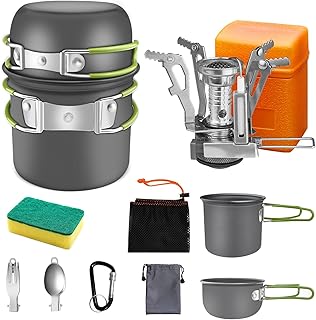
Lastly, ensure that any accessories used in the mud kitchen, such as pots, pans, and utensils, are stored properly. Consider using a designated storage container or shelf that is easily accessible for your children. Regularly check these items for wear and tear, replacing any that are broken or unsafe. Proper storage prevents clutter and makes it easier for children to engage in play without unnecessary distractions.